
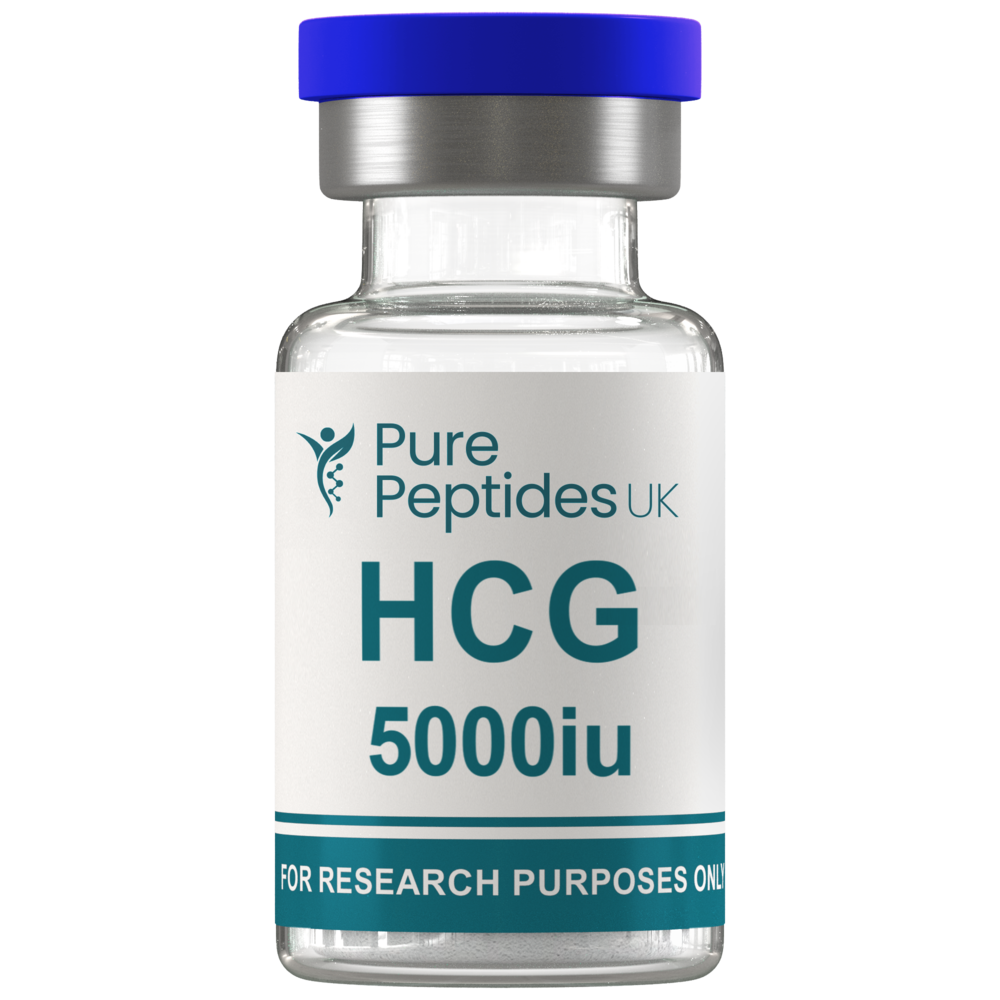


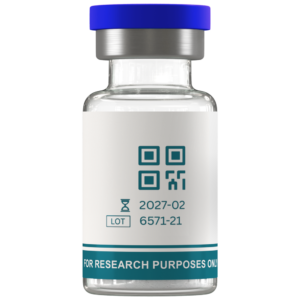
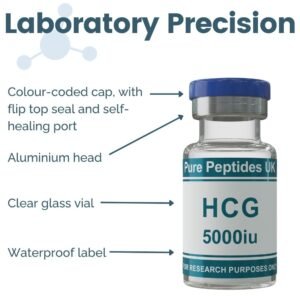


HCG 5000IU
$33.00
HCG 5000 IU (Human Chorionic Gonadotropin) is a glycoprotein hormone widely used in research for its ability to mimic luteinising hormone (LH) and stimulate gonadal signalling. It plays a central role in studies of reproductive endocrinology, hormonal feedback, spermatogenesis, and hypothalamic-pituitary-gonadal (HPG) axis regulation. With high potency and receptor specificity, HCG is a key compound in endocrine and fertility-related research. For research use only.
HCG – 5000 IU – Human Chorionic Gonadotropin
Human Chorionic Gonadotropin (HCG) is a glycoprotein hormone that naturally occurs during pregnancy, where it plays a critical role in supporting reproductive function. In laboratory research, HCG is commonly studied for its ability to mimic the action of luteinising hormone (LH) and influence gonadal signalling, making it a valuable compound in studies of endocrine regulation, fertility pathways, and hormonal feedback loops.
Composed of alpha and beta subunits, HCG shares its alpha subunit with other glycoprotein hormones (LH, FSH, and TSH), while its unique beta subunit confers its specific biological activity. Its well-characterised structure and potent activity have made it a staple in studies of hypothalamic-pituitary-gonadal (HPG) axis function.
Research Focus and Areas of Interest
1. Luteinising Hormone Mimicry and Gonadal Function
HCG is structurally similar to LH and binds to the same LH/CG receptor, stimulating the production of sex steroids such as testosterone and oestradiol in gonadal tissues. Research has focused on its role in:
-
Testicular steroidogenesis in males through stimulation of Leydig cells
-
Follicular maturation and ovulation in female research models
-
Feedback mechanisms regulating pituitary hormone secretion
This makes HCG a valuable agent in endocrinological and reproductive signalling research.
2. Endocrine Feedback and HPG Axis Regulation
Researchers have used HCG to study complex hormonal feedback systems within the HPG axis. Specific areas of interest include:
-
Upstream signalling between the hypothalamus, pituitary, and gonads
-
The interplay between LH, FSH, and HCG in hormone synthesis and release
-
Suppression and recovery of endogenous LH production under different test conditions
Such studies are vital to understanding how hormonal balance is regulated and restored under varying physiological and experimental conditions.
3. Spermatogenesis and Gonadal Maintenance
In male-focused studies, HCG has been explored for its influence on testicular function and fertility preservation. Research models have investigated:
-
Maintenance of intratesticular testosterone levels
-
Prevention of testicular atrophy in LH-suppressed states
-
Promotion of spermatogenic activity through LH-like stimulation
These studies contribute to the broader field of andrology and reproductive endocrinology.
4. Peptide Hormone Pharmacokinetics and Bioassays
As a large glycoprotein, HCG also plays a role in research related to:
-
Peptide hormone stability and half-life in circulation
-
Receptor binding kinetics in endocrine tissues
-
Bioidentical vs. analogue hormone behaviour in experimental systems
Its high potency and specificity make HCG a useful tool in developing bioassays and hormone-response models.
Conclusion
HCG 5000 IU is a potent and well-characterised peptide hormone used extensively in studies of endocrine regulation, reproductive signalling, and hormonal feedback. With its ability to mimic luteinising hormone and engage in complex hormonal pathways, HCG remains a cornerstone in gonadotropic and fertility-related research.
For research use only. Not approved for human or veterinary applications.
Technical Information:
• Synonyms: Human Chorionic Gonadotropin, hCG, Chorionic Gonadotrophin
• Modified Single-Letter Amino Acid Sequence: Not applicable (glycoprotein hormone, not a linear peptide)
• IUPAC Condensed Amino Acid Sequence: Not applicable due to large glycoprotein structure
• Molecular Weight: Approx. 36.7 kDa
• CAS Number: 9002-61-3
Stability: Store lyophilised protein at -20°c. Aliquot the product after reconstitution to avoid repeated freezing/thawing cycles. Reconstituted protein can be stored at 4°c for a limited period of time. The lyophilised protein remains stable until expiry date when stored at -20°c.
Source: Biosynthesis
Reconstitution: Reconstitute with Bacteriostatic Water
Usage: Product is prepared for LABORATORY RESEARCH ONLY. HCG for sale at Pure Peptides UK is limited to scientific research and education only – Only buy HCG if you are a licenced researcher.
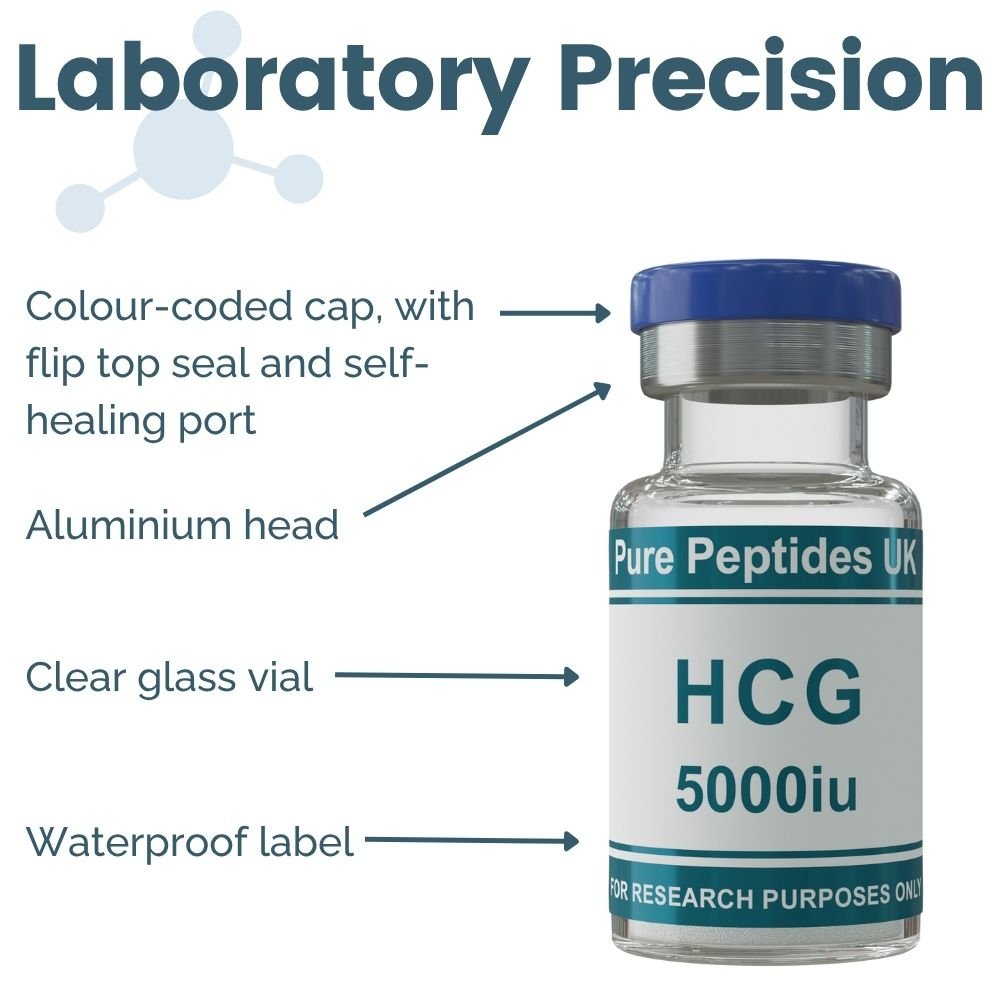
| Cap Colour | Blue |
|---|
Related products


Longevity


Peptides


Cosmetic


Peptides
Injury Recovery
Peptides


Longevity
Longevity